A good-looking waterfront photograph earns attention. A useful website then answers the questions a captain, owner or project manager needs to ask before choosing your facility.
Help the visitor check vessel fit
Put the basics within easy reach: location, vessel restrictions, the services available and how to contact the right person. Publish verified dimensions and facility specifications where they help a buyer assess suitability, and assign someone to keep them current.
Separate visiting berth enquiries from yard and refit enquiries. These journeys call for different information, and a visitor should not have to interpret one generic form to work out which service you offer.
Separate your capabilities from those of others
Explain which jobs your own team delivers, which services are provided by approved contractors and which require a separate conversation. Clear responsibility helps a buyer plan the project.
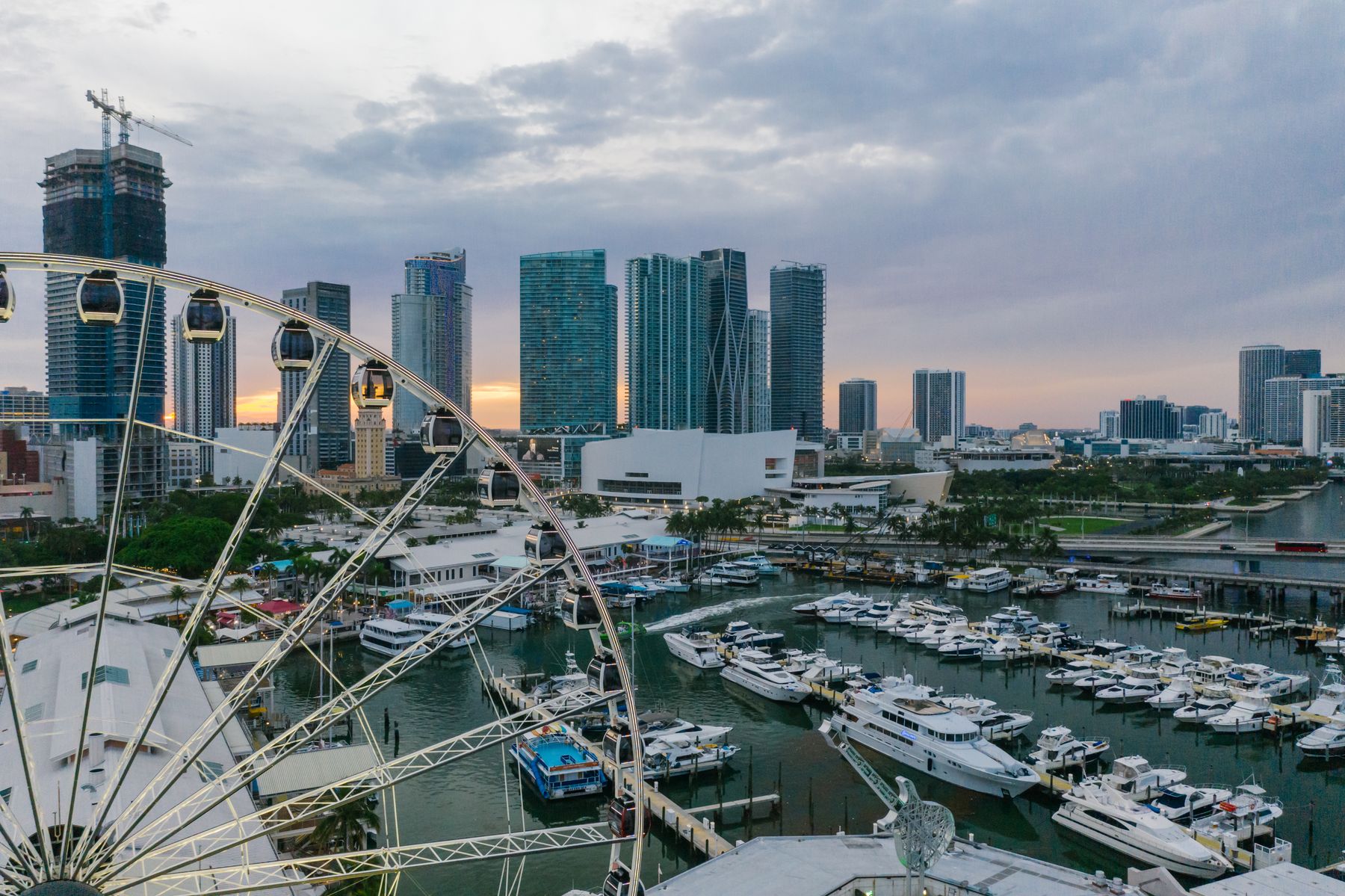
The City of Miami separates the transient dockage route from permanent-slip applications at Miamarina at Bayside. That is a useful model for a marina website: distinguish a short stay from a long-term enquiry, and give each buyer the right next step.
Source: Official Miamarina at Bayside information
Show relevant work with the right permissions
Create short project summaries with the vessel category, the scope, the trades involved and the outcome you can substantiate. Explain what made the job relevant to your next customer. Do not publish vessel names, client details or photographs without the necessary permission.
Use real images of the facility and its work wherever possible. A generic yacht image can set a mood, but it cannot show a buyer your actual berth access, workshop or lifting arrangements.
Route the enquiry to the right team
A refit enquiry may need vessel dimensions, a broad scope, preferred dates and current location. A berth enquiry may need arrival and departure dates. Ask only for the information your team will use at this stage.
Provide a direct contact route for visitors whose project does not fit the form. Confirm receipt clearly and give a realistic explanation of the next step. Test that the enquiry actually reaches the person responsible.
Connect the website to useful local content
A guide to preparing a refit brief or requesting a berth can support the main service pages and help visitors arrive prepared. Add the location details a customer genuinely needs, rather than creating a page for every nearby postcode.
Review enquiries with the operations team. If visitors repeatedly ask the same preliminary question, make the answer easier to find on the website.