A search for help with a vessel system often starts with a specific problem. Make it easy for the owner or captain to see whether you handle that job, cover their location and have the right experience.
Start with the job and the service area
Write down the work you want more of before choosing keywords: electrical fault finding, electronics installation, engine maintenance or another real capability. Then list the places you can serve, the vessel types you work on and whether you travel to the boat.
For a mobile technician serving Miami and nearby areas, a useful service page explains travel coverage and access requirements. A list of Miami town names gives a buyer much less help. If you only work from a fixed workshop, make that equally clear.
Give a technical buyer something to assess
Use a short description of the fault or project, photographs you have permission to publish, the systems involved and what your team did. Name brands, qualifications and authorisations only where they are accurate and current.
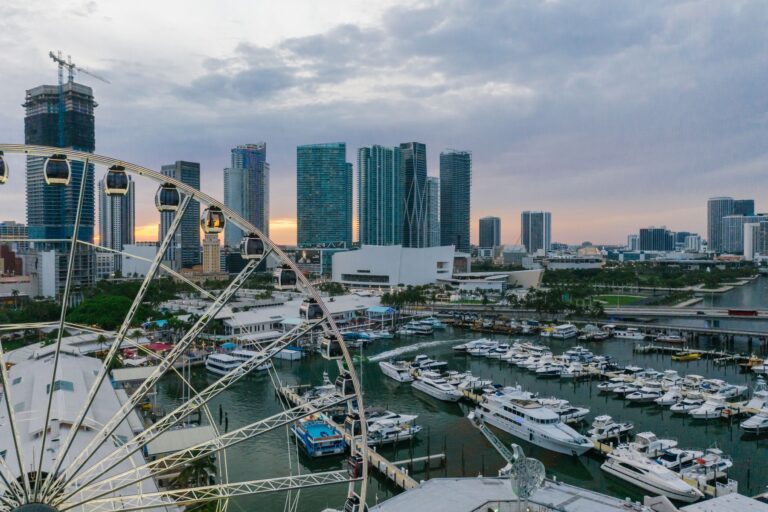
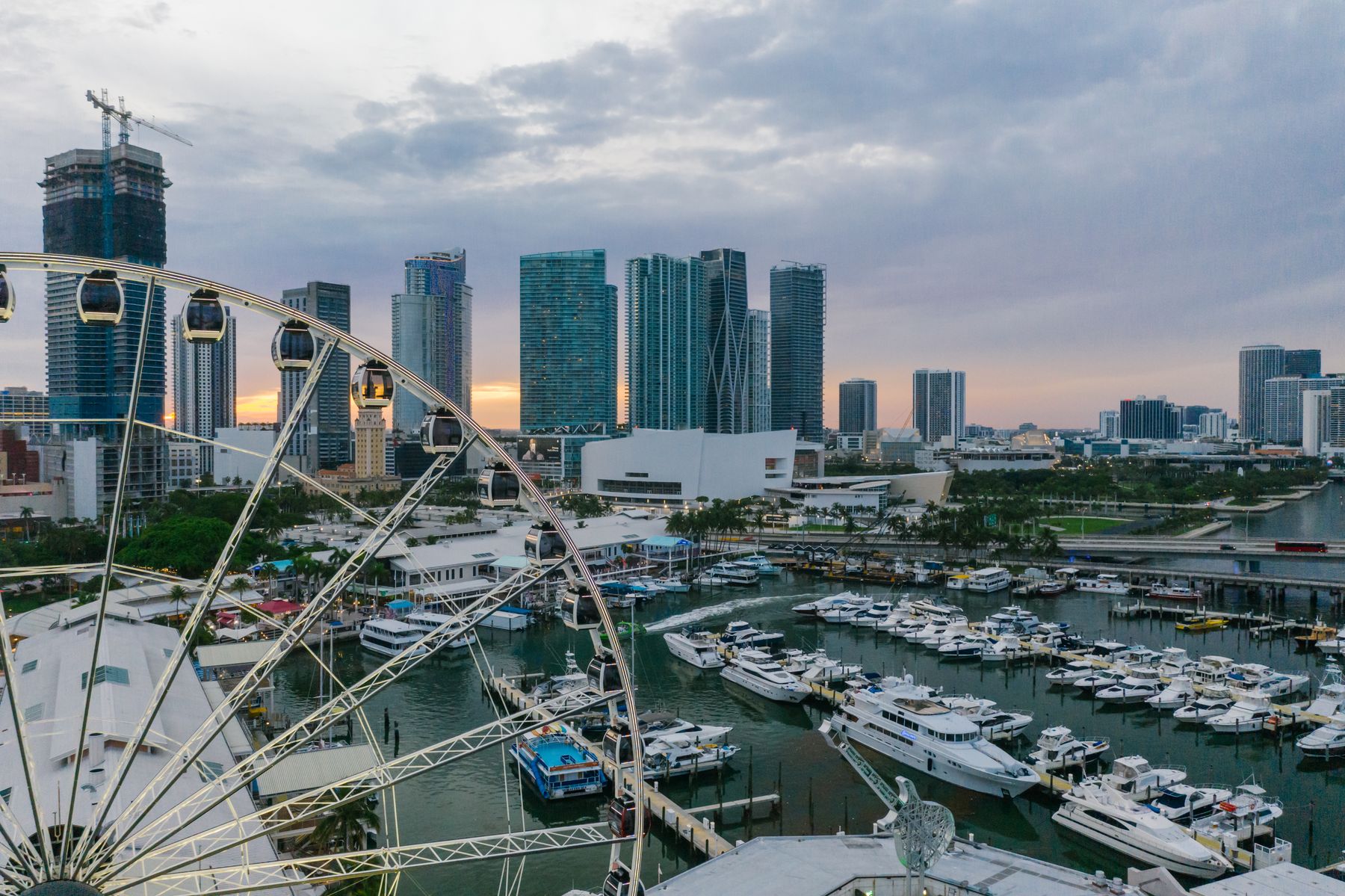
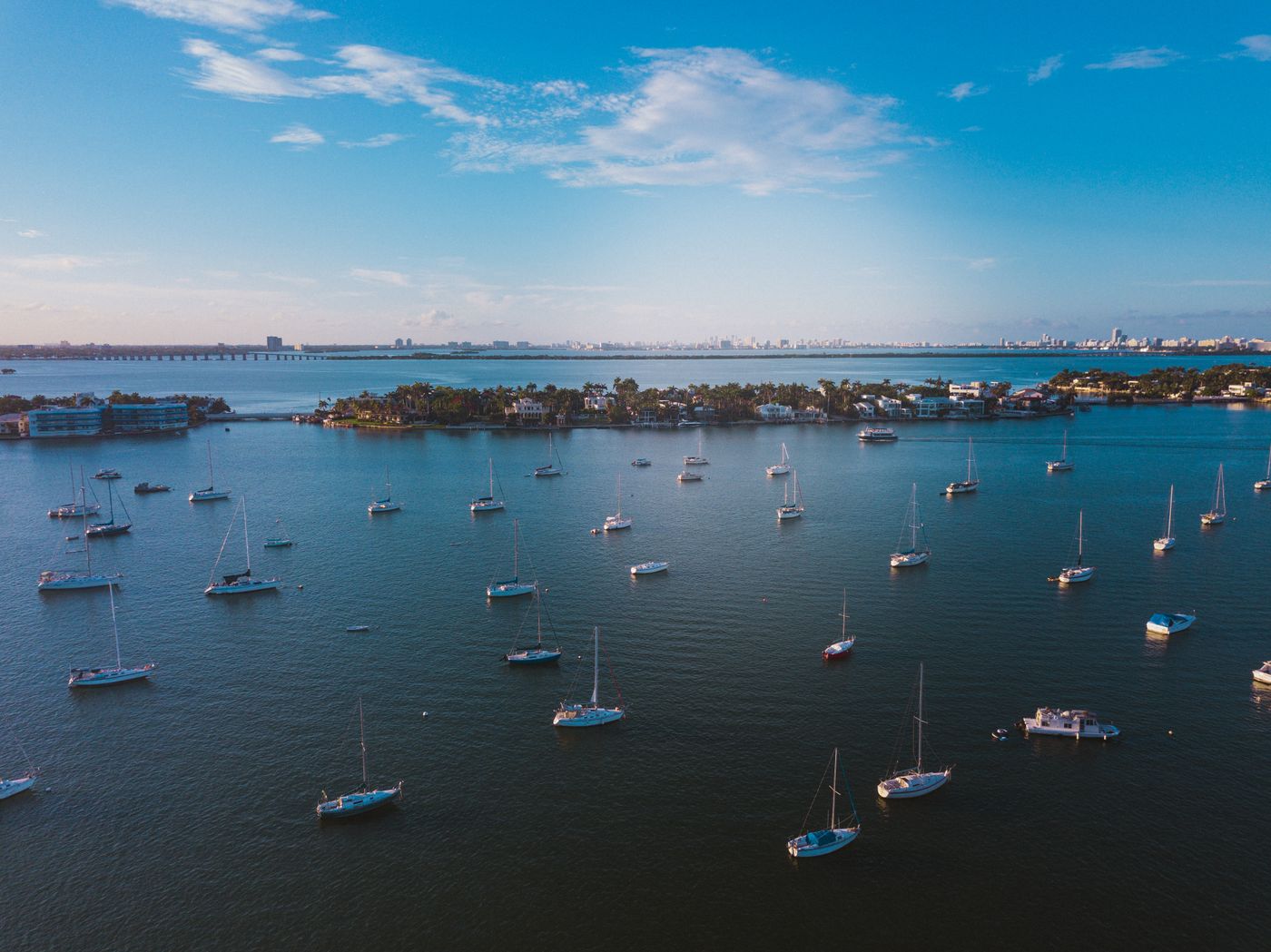
Dinner Key’s marina and mooring facilities illustrate why vessel location and access matter to a mobile service call. Explain whether you work at a berth, attend a moored vessel or need the boat brought to a workshop. A buyer should be able to check that before arranging a visit.
Source: Official Dinner Key marina and mooring information
Ask for the information that makes a quote possible
Keep the first enquiry easy, especially on a phone. A useful starting point is vessel type, current location, the system or issue and the preferred timing. Let a buyer add photographs if your enquiry process can handle them securely.
Explain what happens after submission. If you need to inspect the vessel before quoting, say so. If your response times vary, avoid promising an immediate visit. A clear expectation can be more useful than another sales paragraph.
Build a small library around real questions
Turn recurring questions into useful guides: what to send before a diagnostic visit, how an installation project is scoped, or what access your team needs at a marina. Use your own working knowledge and have a qualified person check technical advice.
Link each guide back to the matching service page and to the area you cover. Build a separate location page only when you can offer something more useful than the same text with a different city name.
Measure suitable jobs, alongside traffic
Record how enquiries found you, whether the job was within your service area and whether it matched your capabilities. Review booked work as well as form submissions. More visits are only useful if they bring the right work to your team.
Start with one strong service journey, improve it using actual enquiry feedback, then expand into the next capability or area where the business can deliver.